Atherton residents have worked exceptionally hard to build their wealth. With high household incomes, substantial home values, and close ties to Silicon Valley wealth creation, Atherton attracts sophisticated investors who deserve sophisticated legal protection when brokers, financial advisors, or investment firms violate their trust.
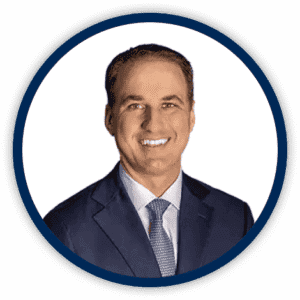
At Varnavides Law, we understand the unique investment risks facing Atherton’s high-net-worth families. Gary Varnavides brings defense-side broker-dealer insight to securities cases and now uses that knowledge to hold financial wrongdoers accountable for their misconduct.
Key Takeaways
- Atherton’s wealthy residents face elevated risks from broker misconduct due to larger account sizes and complex investment portfolios
- FINRA publishes investor complaint and enforcement statistics that show broker misconduct remains an active regulatory concern
- FINRA Rule 12206 is a six-year arbitration eligibility rule, so acting promptly protects your recovery options
- Defense-side broker-dealer experience helps us anticipate how financial institutions try to avoid accountability
- Varnavides Law offers a free consultation; fee arrangements vary by matter and are discussed during consultation
Why Atherton Residents Face Elevated Securities Fraud Risks
Living in a high-wealth community comes with unique financial vulnerabilities. Atherton’s concentration of tech executives, venture capitalists, successful entrepreneurs, and retired professionals creates an environment where securities fraud can cause devastating losses.
The High-Net-Worth Target Problem
Unscrupulous brokers and financial advisors specifically target wealthy investors because larger accounts mean larger commissions, larger fees, and larger potential gains from misconduct. When a broker churns a $5 million portfolio versus a $500,000 portfolio, the illicit profits multiply accordingly.
According to FINRA’s 2024 statistics, the regulator received 11,908 investor complaints and imposed $75.6 million in fines and disgorgement. Behind these numbers are real investors who trusted financial professionals to act in their best interests.
Atherton Demographics
- Average household income: $619,754
- Median home price: $7.95 million
- Population: ~7,022
- Median age: 49 years
- Above poverty line: 96.7%
Why This Matters
- Larger portfolios mean larger potential losses
- Complex investments increase fraud opportunities
- Trust-based relationships can mask misconduct
- Sophisticated products require sophisticated oversight
- Retirement assets face unique protections needs
Common Securities Fraud Affecting Atherton Investors
Our firm regularly handles cases involving the types of investment misconduct that frequently impact high-net-worth Silicon Valley residents. Understanding these violations helps you recognize when your broker or advisor may have crossed legal and ethical lines.
Churning and Excessive Trading
Churning occurs when a broker executes unnecessary trades in your account primarily to generate commissions. For Atherton investors with substantial portfolios, churning can drain hundreds of thousands of dollars through excessive transaction costs while providing no investment benefit.
Warning signs include frequent trading activity, high turnover ratios, and account statements showing numerous buy-sell transactions in the same securities.
Unsuitable Investment Recommendations
Financial professionals have a duty to recommend investments appropriate for your specific situation, including your age, risk tolerance, investment objectives, and financial needs. When a broker recommends speculative investments to a retiree seeking income, or places concentrated bets that expose your entire portfolio to catastrophic loss, they may have violated suitability obligations.
Unauthorized Trading
Your broker cannot make trades without your permission unless you have granted discretionary authority. Unauthorized trading represents a serious breach of the broker-client relationship and can expose your portfolio to unwanted risks and losses.
Misrepresentation and Omission of Material Facts
Brokers and advisors must provide accurate, complete information about investment products. Misleading statements about risks, fees, historical performance, or the nature of an investment can constitute securities fraud under federal and state law.
Time-Sensitive Warning: Under FINRA Rule 12206, a claim is not eligible for submission to FINRA arbitration if six years have elapsed from the occurrence or event giving rise to the claim. California and federal law may impose separate statutes of limitations. If you suspect securities fraud, consult an attorney promptly to preserve your legal options.
Silicon Valley Investment Risks: Tech Startups and Private Placements
Atherton’s proximity to Silicon Valley exposes residents to investment opportunities that carry unique fraud risks. The tech startup ecosystem, while creating tremendous wealth, has also produced numerous fraud cases that devastated sophisticated investors.
Special Purpose Vehicles and Private Share Transactions
According to CNBC reporting, special purpose vehicles (SPVs) now account for 64% of private shares traded on platforms like Forge Global, up from just 7% six years ago. This dramatic increase has created opportunities for fraud, including hidden fees, unclear ownership rules, and misleading marketing designed to exploit fear of missing out.
AngelList’s CEO has publicly stated that fraudulent SPV activity occurs “in every bull cycle,” with some funds pooling money for startups without any guarantee investors will actually own stock.
Pre-IPO Investment Fraud
FINRA’s 2025 Regulatory Oversight Report specifically highlighted concerns about fraudulent activity in pre-IPO private placements. Some firms have made material misrepresentations and omitted critical information when recommending these speculative investments to clients.
| Investment Type | Common Fraud Methods | Warning Signs |
|---|---|---|
| Pre-IPO Private Placements | Misrepresenting company financials, inflated valuations | Pressure to invest quickly, guaranteed returns promised |
| Special Purpose Vehicles | Hidden fees, unclear ownership, fake allocations | Vague documentation, unlicensed sellers |
| Tech Startup Investments | Overstated technology capabilities, fake partnerships | Limited verifiable information, resistance to due diligence |
| Venture Capital Funds | Misappropriation of funds, false performance reporting | Inconsistent valuations, delayed or missing statements |
Senior Investor Exploitation: Protecting Atherton’s Retirees
With a substantial population of retired professionals, Atherton has many residents who face heightened risks from financial exploitation and broker misconduct. The FBI reports substantial annual losses from fraud targeting older Americans, and securities accounts can be especially vulnerable when a trusted adviser recommends unsuitable or conflicted products.
For high-net-worth seniors, the stakes are even higher because a single unsuitable private placement, structured note, annuity exchange, or concentrated position can put years of savings at risk.
FINRA Rule 4512: Investment firms and broker-dealers are now required to request a trusted contact person for customer accounts. This safeguard helps identify potential financial exploitation of vulnerable adults, but does not eliminate the need for legal action when abuse occurs.
Common Elder Financial Exploitation Patterns
Securities fraud targeting seniors often involves:
- Unsuitable annuity sales: Recommending complex, illiquid products with long surrender periods to elderly clients who may need access to their funds
- Excessive risk-taking: Placing retirement assets in speculative investments inappropriate for the client’s age and objectives
- Trust abuse: Exploiting long-standing advisor relationships to recommend investments that benefit the advisor at the client’s expense
- Unauthorized account access: Making trades or transferring funds without proper authorization
The FINRA Arbitration Process for Atherton Investors
Most securities disputes are resolved through FINRA arbitration rather than traditional court litigation. This specialized forum offers several advantages for investors, including faster resolution, lower costs, and arbitrators with financial industry expertise.
Step 1: Case Evaluation
We review your account statements, communications, and investment history to identify broker misconduct and calculate damages.
Step 2: Statement of Claim
We prepare and file a detailed arbitration claim with FINRA, outlining the violations and requesting appropriate compensation.
Step 3: Discovery Phase
Both sides exchange relevant documents and information to build their cases.
Step 4: Arbitration Hearing
Cases are presented before a panel of arbitrators who hear testimony and review evidence.
Step 5: Award Decision
Arbitrators generally endeavor to render a written award within 30 business days after the record closes.
Step 6: Collection
If an award is entered, we pursue available collection, confirmation, or FINRA enforcement steps as appropriate.
According to FINRA dispute-resolution statistics, the average arbitration case duration improved to 12.5 months in 2024, down from 14.6 months in 2023. Mediation remains an effective alternative resolution option, with an 87% settlement rate.
Why Gary Varnavides Understands How Broker-Dealers Defend Cases
When you face off against a major financial institution, they will deploy experienced defense attorneys who use every available tactic to minimize or deny your claims. Gary Varnavides’s defense-side broker-dealer work helps the firm anticipate those tactics.
This experience provides invaluable insight into:
- Defense strategies: Understanding how financial institutions try to shift blame to market conditions, client sophistication, or documentation loopholes
- Document analysis: Knowing which internal records and communications reveal misconduct that firms prefer to keep hidden
- Expert witness tactics: Recognizing how defense experts are used and how to effectively counter their testimony
- Settlement negotiations: Understanding when firms are motivated to settle and how to maximize recovery
Gary Varnavides Credentials
- Defense-side broker-dealer experience at Sichenzia Ross Ference LLP
- New York Super Lawyers Rising Stars: 2015-2023
- Focused investor representation in securities disputes
- Founded Varnavides Law, PC
The Insider Advantage
Having spent a decade on the defense side, Gary knows the playbook financial institutions use. He understands their strategies, their weaknesses, and how to build cases that overcome their defenses. This knowledge directly benefits clients seeking accountability for investment losses.
Types of Damages Recoverable in Securities Cases
Atherton investors who have suffered losses due to broker misconduct may be entitled to recover various forms of compensation through FINRA arbitration or securities litigation.
| Damage Type | Description |
|---|---|
| Compensatory Damages | Recovery of actual investment losses caused by the misconduct |
| Lost Opportunity Costs | Returns you would have earned had funds been properly invested |
| Excessive Fees and Commissions | Recovery of improper charges, including churning-related trading costs |
| Interest | Prejudgment interest on losses from the date of misconduct |
| Attorney’s Fees | In some cases, recovery of legal costs |
| Punitive Damages | Additional damages for particularly egregious misconduct (rare but available) |
Fee Structure for Securities Cases
Varnavides Law offers a free consultation. Fee arrangements vary by matter and are discussed during consultation.
Fee Arrangements
- Free consultation to evaluate your potential claim
- Fee arrangements depend on the facts, claims, and scope of representation
- Fee terms discussed during your consultation
- Terms set out in a written fee agreement before you commit
Case Costs
You remain responsible for case costs, which may include FINRA filing fees, expert witness fees, and other litigation expenses. We can discuss cost estimates and payment arrangements during your consultation.
Serving Atherton and Surrounding Silicon Valley Communities
While our office serves clients throughout California, we understand the specific needs of investors in Atherton and neighboring Peninsula communities. The concentration of wealth in this region, combined with extensive exposure to tech investments and sophisticated financial products, creates a unique environment for securities cases.
We serve investors throughout San Mateo County and the broader Bay Area, including:
Atherton
High-net-worth community
Menlo Park
Venture capital hub
Palo Alto
Tech industry center
Woodside
Executive community
Hillsborough
Affluent Peninsula town
Los Altos Hills
Silicon Valley wealth center
Frequently Asked Questions: Atherton Securities Lawyer
How do I know if I have a valid securities fraud claim?
You may have a claim if you suffered investment losses due to broker misconduct, unsuitable recommendations, unauthorized trading, churning, misrepresentation, or other violations of securities laws or industry rules. We offer free consultations to evaluate potential cases and explain your legal options.
What timing rules apply to a FINRA arbitration claim?
Under FINRA Rule 12206, a claim is not eligible for submission to FINRA arbitration if six years have elapsed from the occurrence or event giving rise to the claim. That rule is separate from state statutes of limitations, which may be shorter for certain claims. California fraud claims typically have a 3-year statute of limitations from discovery under California’s fraud-discovery limitations rule, CCP § 338(d). Contact an attorney promptly to preserve your rights.
How long does FINRA arbitration take?
According to FINRA statistics, the average case duration in 2024 was 12.5 months from filing to decision. However, complex cases involving substantial damages or multiple respondents may take longer. Many cases settle before reaching a hearing.
Can I sue my broker in court instead of arbitration?
Most brokerage account agreements include mandatory arbitration clauses requiring disputes to be resolved through FINRA arbitration rather than court. This is generally beneficial for investors due to lower costs, faster resolution, and arbitrators with financial industry knowledge.
What documents should I gather if I suspect securities fraud?
Collect all account statements, trade confirmations, correspondence with your broker or advisor, the original account agreement, and any marketing materials or investment recommendations you received. These documents help us evaluate your case and calculate damages.
Do high-net-worth investors have different legal protections?
While the same securities laws apply to all investors, high-net-worth individuals may face unique challenges, including claims they were “sophisticated investors” who should have understood the risks. Our experience defending broker-dealers helps us counter these arguments effectively.
What percentage of FINRA arbitration cases result in recovery for investors?
Recovery rates vary depending on the strength of the case and the specific allegations. Many cases settle before arbitration hearings. FINRA’s 2024 statistics show mediation achieved an 87% settlement rate, indicating that early resolution is often possible when claims have merit.
Does Varnavides Law take cases on contingency?
Fee arrangements depend on the facts, claims, and scope of representation. During your consultation, the firm can discuss whether contingency, flat-fee, hourly, or another arrangement may be available for your matter.
Protect Your Wealth: Schedule a Free Consultation
Atherton investors deserve an attorney who understands both the sophistication of their portfolios and the tactics financial institutions use to avoid accountability. Gary Varnavides brings a decade of insider experience from defending broker-dealers to investor claims, using that knowledge to pursue available recovery for clients who have been wronged.
If you believe your broker, financial advisor, or investment firm has caused you investment losses through misconduct, fraud, or negligence, we can help you understand your legal options and pursue the compensation you deserve.
Free Consultation for Atherton Investors
Contact Varnavides Law today to discuss your securities case. Fee arrangements vary by matter and are discussed during consultation.
Varnavides Law, PC serves investors throughout California, including Atherton, Menlo Park, Palo Alto, and Silicon Valley communities. Gary Varnavides is licensed to practice in California and New York.