Investment losses can devastate your retirement savings and financial future. If you suspect your stockbroker or financial advisor engaged in misconduct, a San Diego securities lawyer can help you pursue recovery through FINRA arbitration or litigation. At Varnavides Law, we bring defense-side broker-dealer insight to securities cases and now use that perspective to represent investors.
San Diego’s substantial retiree population makes it a frequent target for investment fraud schemes. According to FINRA’s 2024 Dispute Resolution Statistics, breach of fiduciary duty claims topped the list with 1,252 cases filed nationally, followed by negligence (1,126 cases) and failure to supervise (1,050 cases). If you experienced investment losses in San Diego due to broker misconduct, understanding your legal options is critical.
For 2025 account reviews, San Diego investors should compare current statements, trade confirmations, and advisor disclosures before potential evidence becomes harder to reconstruct.
Key Takeaways
- Insider advantage: Defense-side broker-dealer experience gives us practical insight into firm defense strategies
- San Diego focus: FINRA conducts arbitration hearings in San Diego, allowing local investors to pursue claims without extensive travel
- 2024 FINRA context: Most closed cases resolved by settlement or other non-award disposition, while decided customer-award cases had separate award-result statistics
- Common claims: Breach of fiduciary duty, unsuitable investments, churning, and unauthorized trading
- Time limits apply: FINRA Rule 12206 is a six-year arbitration eligibility rule, and separate state or federal statutes of limitations may also apply
Why San Diego Investors Need Securities Law Representation
San Diego ranks among California’s most targeted cities for investment fraud. The region’s concentration of retirees, military personnel, and high-net-worth individuals makes it attractive to unscrupulous financial advisors. Common securities violations affecting San Diego investors include:
Broker Misconduct
- Unauthorized trading in your account
- Excessive trading (churning) to generate commissions
- Recommending unsuitable investments
- Misrepresenting investment risks
- Omitting material facts about products
Firm Failures
- Failure to supervise registered representatives
- Inadequate due diligence on investment products
- Deficient compliance procedures
- Improper handling of customer complaints
- Negligent hiring practices
Understanding FINRA Arbitration in San Diego
Most brokerage account agreements require disputes to be resolved through FINRA arbitration rather than court litigation. This process offers several advantages for San Diego investors seeking to recover investment losses.
FINRA maintains hearing locations throughout California, including San Diego. Under FINRA Rule 12213, arbitration hearings are generally conducted in the hearing location closest to where the customer resided at the time of the events giving rise to the dispute. This means San Diego investors can typically have their cases heard locally.
| FINRA Arbitration Stage | Typical Timeline | Key Activities |
|---|---|---|
| Claim Filing | 1-2 weeks | Statement of Claim prepared and filed with FINRA |
| Answer Period | 45 days after receipt | Respondent serves an answer after receiving the statement of claim under FINRA Rule 12303 |
| Arbitrator Selection | 30-60 days | Parties select arbitration panel from FINRA roster |
| Discovery | 3-6 months | Document exchanges and prehearing conferences |
| Hearing | 1-5 days | Presentation of evidence and witness testimony |
| Award | Generally within 30 business days after the record closes | Arbitrators issue a written award under FINRA Rule 12904 |
According to FINRA’s 2024 statistics, the average case duration improved to 12.5 months, down from 14.6 months in 2023. This represents a meaningful improvement in resolution times for investors awaiting recovery.
Common Investment Fraud Cases in San Diego
Our San Diego securities lawyer practice handles the full range of investment fraud claims. Understanding the specific types of misconduct helps investors recognize when they may have a valid claim.
Unsuitable Investment Recommendations
FINRA Rule 2111 addresses reasonable-basis, customer-specific, and quantitative suitability for recommendations that fall under the suitability rule and are not subject to Reg BI. Covered retail recommendations made on or after June 30, 2020 are governed by Reg BI, 17 C.F.R. § 240.15l-1. San Diego retirees are particularly vulnerable to recommendations of high-risk products that do not match their risk tolerance, liquidity needs, or retirement objectives.
Warning Signs of Unsuitable Recommendations: Concentrated positions exceeding 10-15% in a single security, high-risk investments for conservative investors, illiquid products for those needing regular income, and leveraged or complex products without adequate explanation.
Churning and Excessive Trading
Churning occurs when a broker executes transactions primarily to generate commissions rather than to benefit the customer. A San Diego securities attorney evaluates churning claims by analyzing turnover rates, cost-to-equity ratios, and whether the trading pattern served any legitimate investment purpose.
Breach of Fiduciary Duty
Investment advisers registered with the SEC generally owe fiduciary duties to their clients. Broker-dealer claims require more precise analysis: covered retail recommendations may implicate Reg BI, 17 C.F.R. § 240.15l-1, while FINRA Rule 2111 remains relevant for recommendations not subject to Reg BI and other applicable contexts. California law may also matter depending on the relationship and conduct. Breach of fiduciary duty topped FINRA’s controversy list in 2024, demonstrating how often investors plead these issues in customer disputes.
Unauthorized Trading
Brokers must obtain customer authorization before executing trades. Unauthorized trading can violate FINRA Rule 3260, account agreements, and California securities-law duties depending on the facts. A claim analysis should focus on the trading authority granted, the account documents, the communications around the trades, and whether the broker exercised discretion without written authorization.
Gary Varnavides: The Insider Advantage
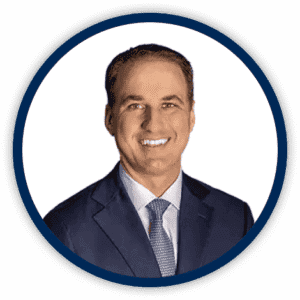
What distinguishes our approach to securities law? Experience on both sides of the table. Gary Varnavides’s defense-side work at Sichenzia Ross Ference LLP provided practical insight into how the defense builds cases, which arguments they prioritize, and where their strategies have weaknesses.
Now representing investors exclusively, Gary applies this insider knowledge to anticipate defense tactics and develop more effective claim strategies. When you work with a San Diego securities lawyer who understands the opposition’s playbook, you gain a strategic advantage.
- Defense Experience: Practical insight into broker-dealer defense strategies
- Recognition: New York Super Lawyers Rising Stars 2015-2023 (top 2.5% in NY Metro)
- Multi-State Practice: Licensed in California and New York
2024 FINRA Arbitration Resolution Statistics
Understanding FINRA outcomes helps San Diego investors set realistic expectations. According to FINRA’s official 2024 statistics:
How Cases Closed
- 56% resolved through direct settlement
- 12% settled via mediation
- 17% were decided by arbitrators
- 12.5 months was the overall average case duration
Award Outcomes
- 26% of all decided customer-claimant award cases awarded damages
- 31% of regular hearing customer-award cases awarded damages
- 87% of closed mediation cases settled
- Settlement statistics do not predict recovery in any individual claim
These statistics show process context, not a recovery rate. An experienced San Diego securities attorney understands how to evaluate settlement opportunities while maintaining readiness for hearing if needed.
Settlement Considerations: Settlement negotiations often begin early in the arbitration process. Having an attorney who understands case valuation and defense settlement patterns can significantly impact your recovery amount.
California Securities Law Protections
San Diego investors benefit from California’s investor-friendly securities laws in addition to federal protections. Key California statutes include:
| California Code Section | Protection Provided |
|---|---|
| Cal. Corp. Code § 25400 substantive anti-fraud prohibition for manipulation claims | Anti-fraud statute prohibiting manipulative practices |
| Reg BI, 17 C.F.R. § 240.15l-1, for covered retail recommendations; FINRA Rule 2111 suitability where Reg BI does not apply | Suitability and best-interest standards for covered broker-dealer recommendations |
| California securities law and account authority documents | Potential claims involving unauthorized or discretionary trading without proper authority |
| Cal. Corp. Code § 25401 material misstatement or omission claims in securities sales or purchases | Misrepresentation and omission standards |
| Unfair business practices remedies | Unfair business practices remedies |
The California Department of Financial Protection and Innovation oversees securities regulation in the state. These additional protections can strengthen claims brought by San Diego investors against brokers and firms.
Types of Securities Products Involved in San Diego Claims
Investment fraud affects San Diego investors across all product types. Common securities involved in misconduct claims include:
Traditional Securities
Common traditional securities involved in misconduct claims include individual stocks, corporate bonds, mutual funds, and exchange-traded funds. These products form the foundation of most investment portfolios and are subject to suitability requirements.
Alternative Investments
Alternative investments often carry higher risks and less liquidity. Non-traded REITs, private placements, limited partnerships, and structured products frequently appear in misconduct claims due to their complexity and fee structures.
Complex Products
Complex products require enhanced suitability analysis. Variable annuities, options strategies, margin accounts, and leveraged ETFs involve risks many investors do not fully understand when recommended by their brokers.
What to Expect When Working with Our Firm
When you contact our San Diego securities lawyer practice, we begin with a thorough case evaluation at no cost to you. Our process includes:
Initial Case Review
We analyze your account statements, trade confirmations, and correspondence with your broker or advisor. This review helps identify potential violations and estimate damages. We also assess the strength of available evidence and likely defenses.
Claim Development
If we accept your case, we prepare a comprehensive Statement of Claim detailing the violations, damages, and legal theories supporting recovery. Our defense background informs how we frame claims to address anticipated arguments.
Discovery and Preparation
We pursue relevant documents through FINRA’s discovery process, including internal communications, compliance records, and supervision files. Thorough preparation often leads to favorable settlement opportunities.
Hearing or Settlement
We negotiate from a position of strength while remaining prepared for hearing. Our familiarity with defense tactics helps us evaluate settlement offers accurately and pursue the recovery supported by the evidence and applicable law.
Time Limits for San Diego Securities Claims
Acting promptly protects your rights. Critical deadlines include:
FINRA Eligibility Rule: Under FINRA Rule 12206, a claim is not eligible for submission to FINRA arbitration if six years have elapsed from the occurrence or event giving rise to the claim. The panel resolves eligibility questions, and the rule does not replace separate state or federal statutes of limitations.
California statutes of limitations may also apply depending on the legal theories pursued. The interplay between FINRA eligibility rules and state law deadlines makes early consultation with a San Diego securities attorney essential.
Fee Structure for Securities Cases
Varnavides Law offers a free consultation. Fee arrangements vary by matter and are discussed during consultation.
You remain responsible for case costs, which may include filing fees, expert witnesses, and document production expenses. We discuss cost estimates and payment arrangements during your initial consultation.
Frequently Asked Questions
How do I know if I have a valid securities claim against my broker?
Valid claims typically involve documented investment losses combined with evidence of misconduct such as unauthorized trading, unsuitable recommendations, excessive trading, or misrepresentation. Account statements showing significant losses, particularly when combined with aggressive trading patterns or concentrated positions, often indicate potential claims. Our free case evaluation examines your specific circumstances to assess claim viability.
Where will my FINRA arbitration hearing take place?
Under FINRA’s customer arbitration procedures, hearings are generally conducted in the hearing location closest to where you resided when the events occurred. FINRA maintains hearing facilities in San Diego, allowing most local investors to have cases heard without extensive travel. Virtual hearing options are also available in many cases.
How long does a typical securities arbitration case take?
According to FINRA’s 2024 statistics, the average case duration is 12.5 months from filing to resolution. Cases resolved through settlement often conclude faster than those proceeding to hearing. Complex cases involving multiple respondents or extensive document discovery may take longer.
What percentage of investors win their FINRA arbitration cases?
FINRA’s statistics separate cases that settle, mediate, close for other reasons, and proceed to an award. Those figures are useful context, but they do not predict the result of any individual claim. The strength of a case depends on liability evidence, damages, causation, witness credibility, documents, and the respondent’s defenses.
Can I sue my brokerage firm in court instead of arbitration?
Most brokerage account agreements contain mandatory arbitration clauses requiring disputes to be resolved through FINRA rather than court. However, certain claims may proceed in court if no arbitration agreement exists or if specific legal theories fall outside the arbitration clause. We evaluate your specific agreements during the consultation process.
What documents should I gather before consulting with a securities lawyer?
Helpful documents include monthly account statements, trade confirmations, new account forms, correspondence with your broker or advisor, marketing materials received, and any complaint letters you submitted to the firm. If you lack some documents, we can often obtain them through the claims process.
How does Gary Varnavides’ defense background benefit my case?
Gary’s defense-side broker-dealer background helps the firm understand how firms build defenses, which arguments they prioritize, and where their strategies show weakness. This perspective allows us to anticipate defenses, structure claims more effectively, and identify settlement opportunities.
What is the difference between a stockbroker and an investment advisor?
Stockbrokers (registered representatives) work for broker-dealers and may be compensated through commissions or other transaction-based compensation. Covered retail recommendations are governed by Reg BI, 17 C.F.R. § 240.15l-1; FINRA Rule 2111 remains relevant for recommendations not subject to Reg BI and other applicable contexts. Investment advisers are registered with the SEC or state regulators and generally owe fiduciary duties requiring them to act in the client’s best interest. The distinction affects both the standard of care owed and potential claim theories.
Contact a San Diego Securities Lawyer
Investment losses from broker misconduct demand prompt action. The sooner you consult with an experienced securities attorney, the better positioned you are to preserve evidence and protect your claim rights.
At Varnavides Law, we combine rigorous securities litigation experience with practical insight from years defending the industry. This unique perspective helps San Diego investors pursue maximum recovery for investment losses caused by broker misconduct, firm negligence, and securities fraud.
Varnavides Law also represents investors across Southern California, including Los Angeles and Orange County.
Schedule Your Free Consultation
Discuss your investment losses with a San Diego securities lawyer who knows how the defense thinks. We evaluate your case at no cost. Varnavides Law offers a free consultation; fee arrangements vary by matter and are discussed during consultation.